



Your cart is empty Continue Shopping
The selection of a crane is a strategic technical decision, not just an equipment choice. The type of crane used directly affects:
- the structural and operational organization of the construction site
- the flow of materials
- the construction timeline
- the safety of personnel and equipment
- the total lifecycle cost of the project
The two most common solutions are the tower crane and the self-erecting crane. Although they serve the same core function (lifting loads), their technical philosophy and limitations differ significantly.
In lifting operations, there are no “one-size-fits-all” solutions — only the right decisions for specific conditions.
In lifting operations, there are no “one-size-fits-all” solutions — only the right decisions for specific conditions.
Tower Crane: Operational Analysis & Technical Capabilities
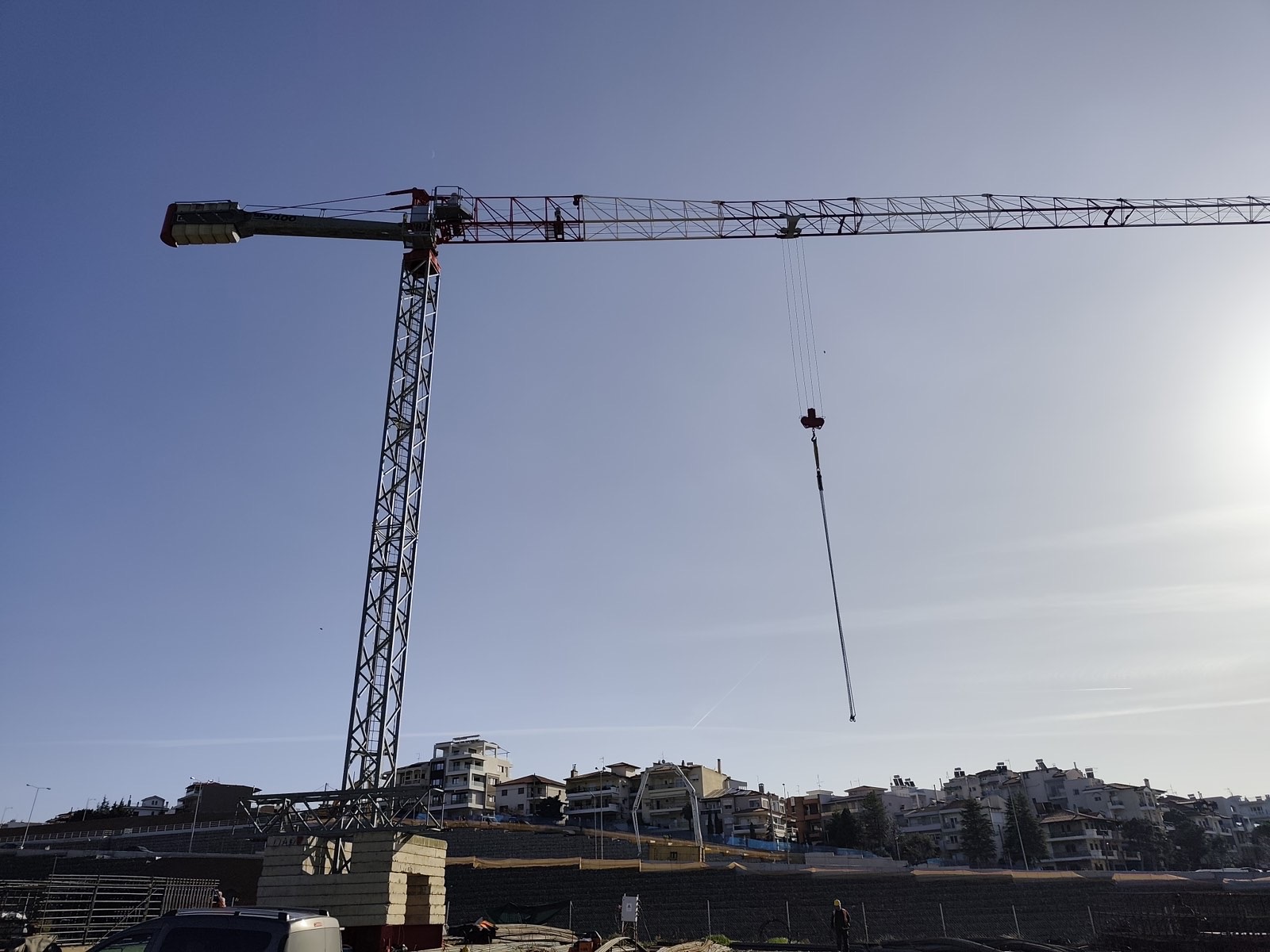
The tower crane is the primary lifting solution for large-scale projects. It features a modular structure that allows adjustment in height and radius, depending on the project’s development.
Key technical characteristics
- High lifting height (depending on type and anchoring)
- High load capacity at significant radius
- Ability to increase tower height progressively during the project
- Fixed base (foundation or anchoring to structural elements)
What this means in practice
A tower crane is planned alongside the project — not after. It requires:
- structural design for foundation or anchoring
- early positioning planning within the site layout
- clear scheduling of usage duration
🔧 It is technically justified when the project involves:
- long duration
- significant height
- high lifting volume
Self-Erecting Crane: Flexibility & Operational Simplicity
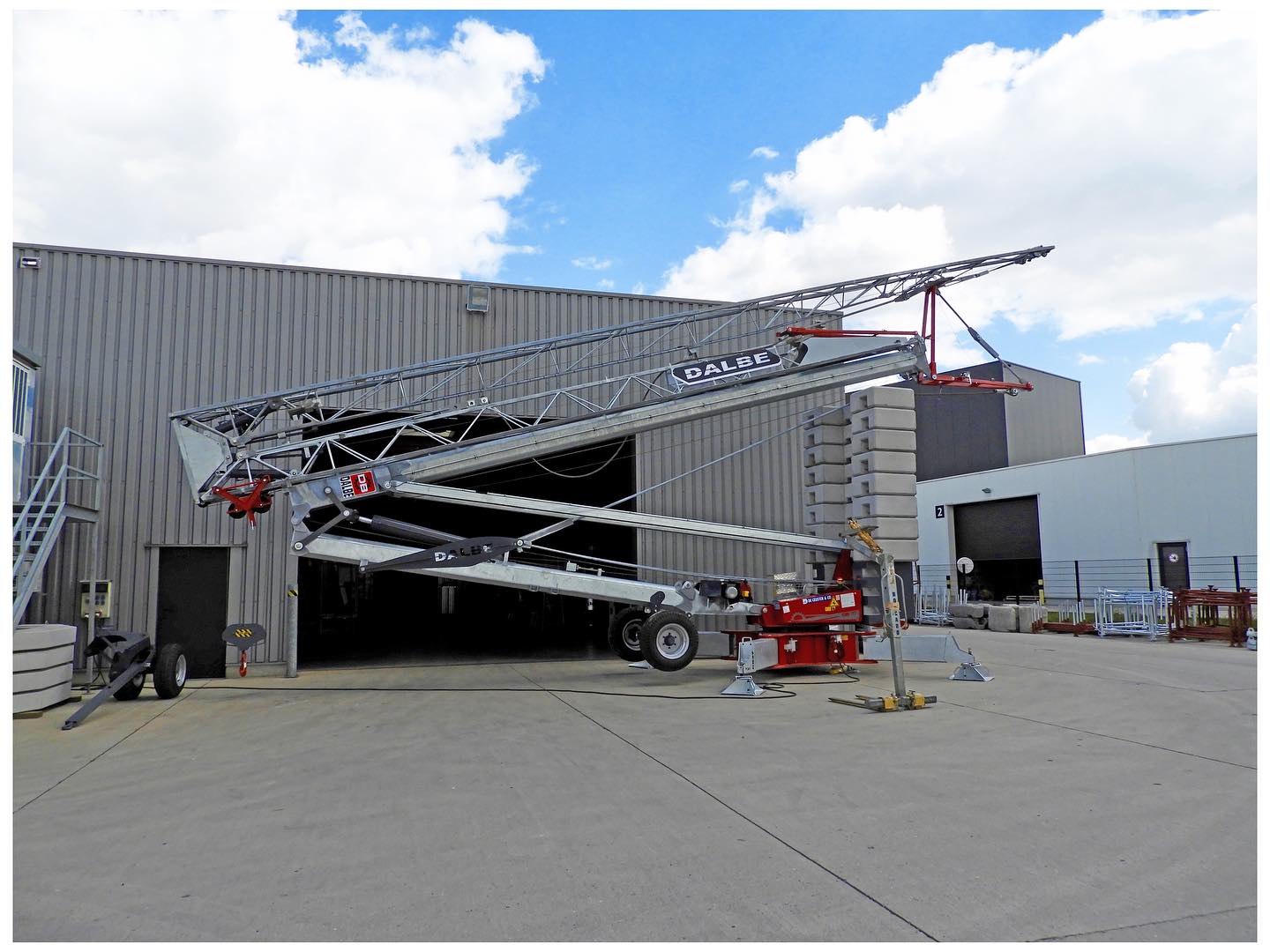
The self-erecting crane is designed for cases where time, space, and simplicity outweigh maximum lifting performance.
Technical philosophy
- Compact structure
- Self-erection mechanism
- Reduced foundation requirements
- Fast commissioning
Advantages in real site conditions
- Minimal installation time
- Reduced need for heavy support equipment
- Easy relocation
- Strong adaptability in urban environments
⚠️ However, self-erecting cranes have clear operational limits in:
- lifting height
- maximum load
- working radius
Technical Comparison
| Parameter | Tower Crane | Self-Erecting Crane |
|---|---|---|
| Structural requirement | High | Lower |
| Position flexibility | Limited | High |
| Installation cost | Higher | Lower |
| Long-term cost efficiency | Better | Lower |
| Adaptability across project phases | Moderate | Very good |
Impact on Project Timeline
Choosing the wrong type of crane can:
- create bottlenecks in material flow
- increase internal movements
- force site redesign
The right choice, on the other hand:
- streamlines workflow
- reduces idle time
- improves project predictability
The Role of Certification & Technical Support
Regardless of crane type, operation on site requires:
- technical inspections
- certification of suitability
- documented maintenance
Without these, equipment shifts from a productivity tool to a source of risk.
Conclusion: The Decision Must Be Project-Specific
The choice between a tower crane and a self-erecting crane is not a dilemma, but a process of evaluation.
- The tower crane serves projects with duration, scale, and high demands.
- The self-erecting crane serves projects requiring flexibility and speed.
The right solution emerges only when real project data is taken into account.